Understanding Just How Cars And Truck Dealerships Run: A Guide to Their Providers and Advantages
Comprehending car dealerships is crucial for any individual thinking about a vehicle acquisition. These facilities provide more than simply vehicles; they provide funding options, trade-in possibilities, and after-sales solutions. Each element contributes in the total acquiring experience. Several consumers stay unaware of how these processes work. This expertise can significantly influence their decisions and complete satisfaction (car dealer marketing). What are the crucial elements that consumers should grasp to browse this landscape effectively?
Summary of Vehicle Dealership Workflow
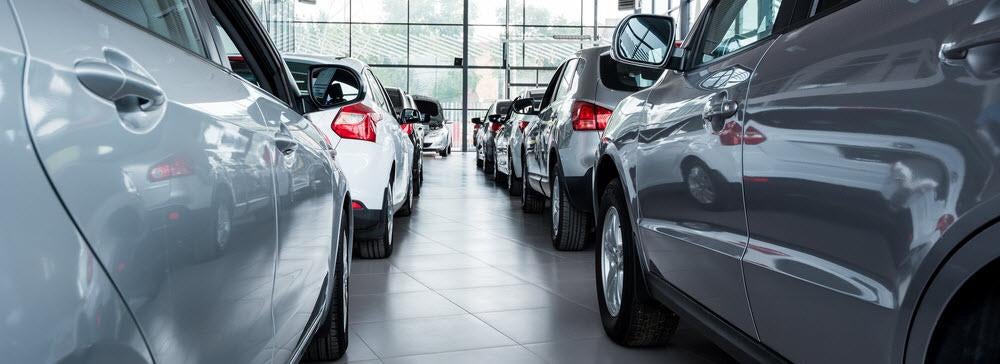
Vehicle car dealerships work as critical centers in the automobile market, promoting the sale and solution of vehicles to consumers. They operate by maintaining a varied supply of suvs, cars and trucks, and vehicles, which are sourced from manufacturers or with trade-ins. Sales groups are trained to assist clients in making notified decisions, directing them via the purchasing procedure from choice to financing.
In addition to sales, dealerships usually use repair and maintenance services, utilizing proficient professionals to attend to lorry concerns. This duality enhances customer commitment, as proprietors return for both acquisitions and servicing needs. Car dealerships typically supply guarantees and funding options, making it much easier for consumers to get automobiles.
Effective marketing approaches, including promotions and neighborhood engagement, help dealerships bring in potential purchasers. Inevitably, their diverse operations contribute significantly to the overall success and sustainability of the automobile market.
Kinds of Dealers: New vs. Made use of
Dealers can be categorized mostly into 2 types: brand-new and utilized. New cars and truck dealerships commonly provide the most recent versions from various producers, offering consumers with one of the most updated technology, safety attributes, and warranty alternatives. These dealerships typically highlight promos and motivations to attract buyers, making it appealing for those seeking a brand-new automobile.
On the other hand, utilized car dealers focus on pre-owned lorries, which can vary from older models to virtually brand-new cars. These dealers might provide a bigger range of brand names and cost points, providing to a wider target market with various budget plans. While utilized cars may not come with the most up to date attributes, they commonly provide considerable financial savings contrasted to brand-new models.
Ultimately, the selection between brand-new and used dealerships relies on specific choices, spending plan restrictions, and the particular needs of the purchaser, making each type of car dealership useful in its very own right.
Financing Options Available at Dealerships
When checking out financing options at automobile dealers, potential purchasers encounter various lending types made to suit various economic scenarios. car dealer marketing. Furthermore, the choice in between leasing and getting a vehicle can greatly impact general prices and ownership experience. Understanding these options is essential for making informed options in the car-buying procedure
Funding Kinds Explained
Countless funding alternatives are available at car dealerships, providing to a variety of client demands and preferences. One usual choice is the typical auto finance, which commonly entails a fixed interest rate and month-to-month payments over a specified term. An additional option is the subprime financing, made for customers with lower credit report, commonly featuring higher rate of interest. Some dealers likewise supply marketing funding, such as 0% APR for a restricted time, targeting professional purchasers to encourage sales. Additionally, clients might discover guaranteed loans, which utilize the automobile as security, possibly leading to lower prices. Comprehending these financing kinds allows consumers to choose the most effective funding remedy for their economic situation and vehicle acquisition, making certain a more informed choice.
Lease vs. Get
Choosing between leasing and getting an automobile can substantially influence a customer's financial circumstance and driving experience. Leasing generally needs lower monthly payments and allows drivers to delight in a new car every couple of years. It typically comes with mileage restrictions and no ownership equity at the end of the term. On the other hand, acquiring a lorry includes higher month-to-month settlements however outcomes in complete possession once the car loan is paid off. This choice offers the flexibility to drive without constraints and the possibility for resale value in the future. Customers must assess their monetary goals, driving routines, and long-term plans to determine which alternative finest aligns with their requirements, weighing the advantages and disadvantages of each financing technique available at car dealerships.

Recognizing Trade-Ins and Their Value
The trade-in process is a crucial facet of buying a new vehicle, typically affecting the total price. Understanding exactly how dealerships identify the value of a trade-in can encourage consumers to make educated choices. In addition, acknowledging the benefits of trade-ins may provide customers with considerable economic benefits throughout their car-buying journey.
Trade-In Process Explained
Understanding the trade-in procedure is necessary for any individual seeking to update their lorry. This procedure commonly begins read with the car owner celebration needed paperwork, such as the title and upkeep documents. Next, the proprietor checks out a dealership where the automobile goes through an inspection. The dealer examines the cars and truck's market, gas mileage, and condition demand, which affects the trade-in deal. As soon as the offer is presented, the owner can either approve or negotiate the terms. If accepted, the trade-in worth is usually used towards why not find out more the purchase of a brand-new vehicle, lowering the total expense. The trade-in procedure enhances the change from an old car to a brand-new one, making it a practical option for numerous buyers.
Figuring Out Car Value
Exact evaluation of a car is a crucial consider the trade-in procedure, as it directly impacts the economic end result for the vendor. To determine an automobile's value, dealers think about numerous variables, including the lorry's make, model, year, market, mileage, and problem demand. Vendors can utilize online valuation devices, such as Kelley Directory or Edmunds, to get an initial estimate. Nonetheless, car dealerships may change this worth based upon their very own assessments and present supply needs. Furthermore, a specialist assessment may disclose covert concerns that might influence the vehicle's worth. Understanding these components aids vendors come close to the trade-in process much more successfully, ensuring they get a fair deal reflective of their car's true market value.
Advantages of Trade-Ins
While lots of car owners may ignore the advantages of trade-ins, they offer significant advantages that can improve the total getting experience. Largely, trade-ins streamline the acquiring process by getting rid of the need to offer an automobile independently. This conserves effort and time, enabling owners to concentrate on their brand-new purchase. Additionally, trade-ins give instant financial relief; the value of the old lorry can be applied straight toward the deposit of a new one, minimizing the overall finance quantity. Moreover, dealers typically supply competitive trade-in worths, which can be valuable compared to personal sales. Finally, trading in a car can assure a seamless changeover, as dealers take care of all paperwork and logistics connected with the deal, making it a hassle-free choice for numerous buyers.
Guarantees and Service Program Explained
What elements should consumers think about when evaluating guarantees and service strategies at car dealerships? Customers ought to evaluate the coverage provided, including what parts are included and the period of the guarantee. Comprehending the distinction in between supplier and dealership service warranties is also important, as they might supply differing degrees of security - car dealer marketing. In addition, consumers ought to analyze any type of published here exemptions or constraints, such as particular upkeep demands that could invalidate the service warranty
Another essential aspect is the transferability of the guarantee, which can enhance the lorry's resale worth. Consumers ought to additionally consider the dealership's reputation for honoring service warranties and the ease of making insurance claims. Ultimately, the cost of service plans must be weighed versus prospective repair costs, making certain that the strategy aligns with one's spending plan and driving habits. By taking into consideration these aspects, customers can make educated decisions that improve their car possession experience.
Tips for Negotiating the very best Deal
Comprehending guarantees and service plans can greatly impact a customer's general experience at a cars and truck dealership, specifically when it pertains to discussing the best offer. To attain favorable terms, customers ought to conduct detailed research study on the lorry's market value, guaranteeing they are informed about reasonable prices. Establishing a spending plan beforehand can help establish clear limits during arrangements.
Furthermore, being prepared to stroll away can equip consumers, signaling to the dealership that they are not desperate. Involving in discussions concerning financing choices may additionally yield even more beneficial terms. It is suggested for consumers to inquire about motivations or refunds that might not be promoted, as these can considerably influence the final price. Lastly, keeping a respectful disposition throughout the procedure can promote a good reputation, potentially resulting in far better deals. By utilizing these techniques, customers can boost their possibilities of protecting a positive bargain at the dealer.
Regularly Asked Concerns
How Do Dealerships Establish the Asking Price of an Automobile?
Dealers identify the market price of a vehicle by analyzing market demand, vehicle problem, supplier pricing, affordable evaluation, and earnings margins. They likewise take into consideration neighborhood market patterns and any type of rewards offered to customers.
What Is the Process for Returning a Cars And Truck Bought From a Car dealership?
The process for returning a cars and truck purchased from a dealership typically entails informing the supplier, finishing needed documents, and adhering to any return plans or timeframes established by the dealership, commonly influenced by state regulations.
Exist Any Kind Of Surprise Costs When Purchasing From a Dealership?
Yes, there can be hidden costs when purchasing from a dealer. These may include documentation fees, dealership prep work fees, or location charges, which can greatly boost the overall cost of the automobile past the advertised rate.
Exactly How Do Car Dealerships Handle Recalls on Cars Sold?
Dealers generally notify consumers concerning recalls and may offer to fix the car at no charge. They preserve records of marketed lorries, making sure compliance with manufacturer standards and prioritizing client safety and contentment during recall procedures.
Can I Discuss the Rate of Add-Ons or Services?
Yes, the price of attachments or services can frequently be worked out at a car dealership. Customers are encouraged to talk about pricing openly, as dealers might be ready to adjust expenses to close a sale.
Understanding auto dealerships is essential for any person considering an automobile purchase. Vehicle dealers serve as important hubs in the vehicle industry, promoting the sale and service of lorries to customers. In contrast, utilized car dealers concentrate on used cars, which can range from older models to virtually brand-new cars and trucks. To figure out a car's value, dealers take into consideration different factors, including the lorry's make, version, year, mileage, condition, and market need. Dealerships figure out the selling rate of a vehicle by evaluating market demand, lorry condition, maker prices, affordable analysis, and revenue margins.